







October Surge: Why Respiratory Virus Season Is Starting Early This Year

Why October Is a Good Time to Prepare for Respiratory Virus Season
Practical steps to protect your household before winter gatherings, crowded commutes, and seasonal illnesses pick up.
A cough on the morning train. A classroom message about children staying home sick. A family gathering coming up on the calendar.
October is a useful reminder to check your household's health preparations. You do not need to wait until everyone around you is coughing to review vaccinations, improve indoor air, or make a plan for sick days.
The most helpful approach combines several habits. Each addresses a different part of the problem: reducing exposure, lowering the chance of severe illness, and limiting the spread of infection to others.
Does Respiratory Virus Season Really Start in October?
There is no single date when respiratory viruses suddenly become a threat.
According to the CDC, influenza circulates year-round in the United States, although activity generally increases during fall and winter and most often peaks between December and February. Other respiratory viruses can follow different patterns. October is a preparation window, rather than a guaranteed turning point in every community.
The CDC's October 2, 2026, respiratory illness update reported that national flu activity was low but increasing. RSV activity was very low in most areas, while COVID-19 activity remained elevated in some regions despite declining nationally. Those differences show why local conditions matter more than a broad seasonal headline.
A useful habit: Check the CDC Respiratory Illnesses Data Channel, along with your state or local health department's updates, before travel or gatherings with vulnerable family members.
Start With Vaccination Before Your Calendar Gets Busy
Vaccination is an important part of preparation because protection does not develop immediately.
The CDC recommends annual flu vaccination for everyone age six months and older, with rare exceptions. For most people who need one dose, September and October are generally good times to get vaccinated, ideally by the end of October. Some children need two doses, so their timing requires additional planning.
Flu vaccines help your body develop protective antibodies over approximately two weeks. That does not mean everyone becomes fully immune after fourteen days: effectiveness varies, and vaccinated people can still get influenza. Vaccination can nevertheless reduce illness and the risk of serious complications.
Ask your healthcare professional which flu, COVID-19, and RSV immunizations are appropriate for your age, health history, and circumstances.
Helpful resource:
Pay Attention to the Air You Share
Handwashing matters, but respiratory illness prevention also involves the air around us.
The CDC explains that respiratory viruses spread more readily in crowded indoor spaces with poor airflow. Cleaner air can reduce the concentration of infectious particles and lower exposure.
At home, practical steps include:
- Opening windows or doors when weather and outdoor air quality allow.
- Using exhaust fans to help bring in fresh air.
- Using a portable HEPA air cleaner.
- Maintaining HVAC filters according to the manufacturer's instructions.
- Moving gatherings outdoors when practical.
These measures are particularly useful when visitors arrive or someone in the household is sick. The CDC also recommends considering continuous HVAC fan operation when visitors are present, where the system allows it.
Helpful resources:
Keep Everyday Hygiene Simple and Consistent
Good hygiene does not need to be complicated.
Wash your hands regularly, cover coughs and sneezes, and clean frequently touched surfaces. When soap and water are unavailable, the CDC recommends hand sanitizer containing at least 60% alcohol. These habits help reduce opportunities for germs to spread through hands and contaminated surfaces.
Make these supplies easy to reach: tissues near shared seating, soap at every sink, and hand sanitizer where it is useful.
Helpful resource:
Have a Sick-Day Plan Before Someone Needs It
A little preparation can make it easier to stay home instead of pushing through illness.
Under the CDC's general community guidance, people with respiratory virus symptoms should stay home and away from others. Normal activities can resume once both of these conditions have been true for at least 24 hours:
- Symptoms are improving overall.
- There has been no fever without using fever-reducing medicine.
For the following five days, take additional precautions around others, such as improving airflow, wearing a well-fitting mask, distancing, or testing. Healthcare settings have separate guidance.
Before illness arrives, consider how your household would handle missed school, work responsibilities, meals, or contact with an older relative.
People at increased risk of flu complications should contact a healthcare professional promptly if symptoms develop. Prescription flu antivirals work best when started early, ideally within two days, although later treatment may still help certain patients. Antibiotics do not treat influenza itself.
Helpful resources:
When Is an Extra Layer of Protection Helpful?
You may want additional precautions when community illness is increasing, someone nearby has recently been sick, or you will spend time with someone at higher risk of severe illness. The CDC identifies these as situations where masking can be especially useful.
Examples to consider include:
- Crowded buses, trains, airport queues, and boarding areas.
- Busy indoor stores and events.
- Medical waiting rooms.
- Visits with older or immunocompromised relatives.
- Shared indoor spaces during recovery from illness.
These are practical applications of the CDC's guidance about crowds, exposure, and personal risk. Follow any facility-specific requirements when visiting a healthcare setting.
Why Mask Fit Matters as Much as Filter Material
A filter can only clean the air that passes through it. Gaps around the nose, cheeks, or chin allow some air to bypass the material.
EPA and University of North Carolina researchers demonstrated this in laboratory testing. In one study, a surgical mask with ear loops achieved 38.1% fitted filtration efficiency, compared with 71.5% for a surgical mask with ties. These were results for specific masks and testing conditions - not universal ratings for every surgical mask.
The practical lesson is to evaluate both filtration and fit.
The CDC generally describes increasing wearer protection from cloth masks to surgical masks to international filtering facepiece respirators, with NIOSH-approved respirators such as N95s offering the highest protection. Fit and consistent wear still matter.
Filtration is also more sophisticated than a kitchen strainer. Fibers capture particles through several mechanisms, including interception, impaction, diffusion, and electrostatic attraction. Smaller particles can be captured even when they are smaller than the spaces between fibers.
Further reading:
Prepare for the Routines You Already Have
You do not need to predict the exact winter peak to make useful preparations today.
Review recommended vaccinations, improve the air in shared spaces, keep a sick-day plan, and choose a well-fitting mask for situations where additional protection makes sense.
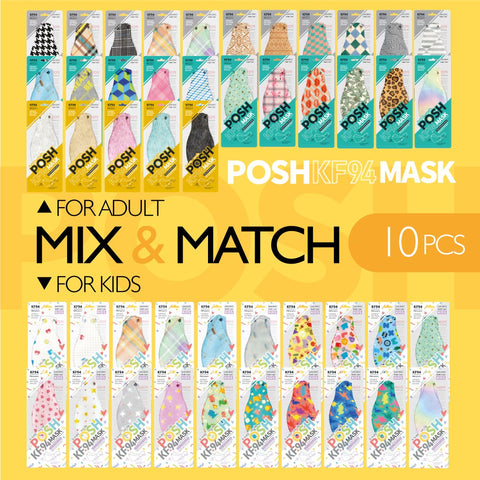
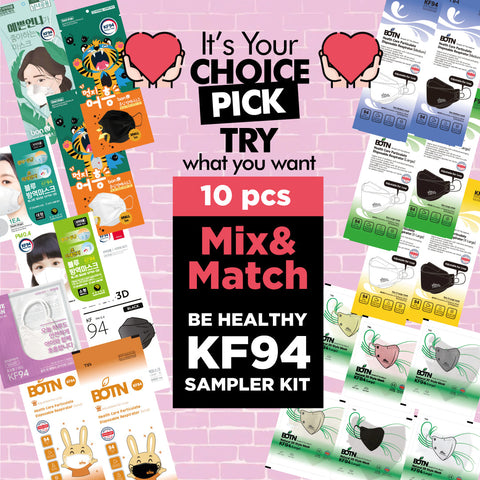
If KF94 masks are part of your household or workplace preparations, explore these options at Be Healthy USA:
-
Special sales and bundle discounts:
Shop Special Sale Offers -
KF94 wholesale and bulk orders, with a one-box minimum:
Explore Wholesale & Bulk Orders -
Regular orders: Use code OCTOFEST for 20% OFF.
Shop Be Healthy USA
Stay Safe and Be Healthy!

