









Flu Season Is Coming: What Experts Want You to Know

Flu Season Is Coming: What Experts Want You to Know
October brings busy school schedules, fall travel, and the start of holiday planning. It is also a useful reminder to prepare for flu season before illness interrupts those plans.
Preparation does not require predicting exactly how severe the coming season will be. It starts with understanding when flu circulates, how it spreads, and which everyday actions can help reduce your family's risk.
From scheduling flu vaccinations to keeping well-fitting KF94 masks available, a little planning now can make it easier to stay prepared through the months ahead.
October Through May: Why Flu Season Deserves a Longer-Term Plan
In the United States, flu activity can begin as early as October and continue into May. That is a potential eight-month window, although the start, duration, and intensity vary by year and region. October and May are useful planning markers, not fixed boundaries.
CDC reports that flu activity most often peaks between December and February. Flu viruses also circulate year-round, so the arrival of spring does not automatically mean the risk has disappeared.
For households, that means thinking beyond a short winter shopping list. Consider the school days, commutes, family visits, and trips coming up across fall, winter, and spring.
What Do We Know About the 2026-2027 Season?
As of September 18, 2026, CDC reports low seasonal flu activity nationally. This is a snapshot of current conditions, not a guarantee that the coming winter will be mild.
One confirmed change is this season's vaccine formulation. All three components of the 2026-2027 U.S. flu vaccines were updated from the previous season, including an H3N2 component addressing subclade K, which spread widely during 2025-2026.
These updates reflect ongoing monitoring of influenza viruses. They do not, by themselves, tell us how severe this season will be. A useful approach is to prepare now and follow local health updates as conditions change.
Flu Can Spread Before Someone Knows They Are Sick
Flu is a contagious respiratory infection. People can spread influenza when they cough, sneeze, or talk, and some adults can be contagious about one day before symptoms appear. People are generally most contagious during the first three days of illness.
This helps explain why waiting until everyone around you looks sick can miss opportunities for prevention. A person who feels well enough to attend a gathering may already be infectious.
Extra planning matters for families with adults age 65 and older, pregnant people, children younger than five, or people with certain chronic conditions, including asthma, diabetes, and heart disease. These groups face a higher risk of flu complications.
Vaccination Is the Foundation of Flu Prevention
CDC recommends a flu vaccine every season for everyone age six months and older, with rare exceptions. Vaccination helps reduce the risk of flu and serious outcomes, and it can make illness less severe in people who still become infected. Protective antibodies take about two weeks to develop.
For most people, September and October are good times to get vaccinated. CDC recommends vaccination ideally by the end of October, while continuing to offer it later when flu remains a threat. A healthcare provider can advise on timing and an age-appropriate vaccine for your family.
Where KF94 Masks Fit Into Your Preparation
Masks add another layer of prevention alongside vaccination and cleaner air. CDC explains that masks can reduce the infectious particles a sick person releases and help protect the wearer from inhaling particles from others. Fit and filtration both matter.
Consider keeping a well-fitting mask available for crowded indoor settings, times when respiratory illness is increasing locally, and situations involving someone at higher risk. For KF94 users, choosing a suitable size is an essential part of that preparation.
Before buying a large quantity, check that your chosen mask:
- Covers your nose and mouth completely.
- Fits closely around the nose, cheeks, and chin without obvious gaps.
- Remains comfortable enough to wear consistently.
CDC recommends choosing the most protective mask you can comfortably wear that fits well. Its guidance also identifies NIOSH-approved respirators, such as N95s, as offering the highest level of protection among the types discussed.
Make Your Indoor Routine Part of the Plan
Masking works best as part of several practical habits. Improve indoor air by bringing in outdoor air when appropriate, using suitable air filtration, or choosing outdoor gatherings. Wash your hands regularly, cover coughs and sneezes, and avoid close contact with people who are sick.
Make these steps easy to follow: keep masks near your keys, place tissues where family members can find them, and discuss how you will handle a sick day before one happens.
Know What to Do When Symptoms Start
Flu symptoms often begin suddenly and can include cough, chills, body aches, headache, fatigue, and fever. Not everyone develops a fever, and symptoms alone cannot reliably distinguish flu from other respiratory infections.
If you develop respiratory symptoms, stay home and away from others. CDC says you can generally resume normal activities once symptoms have been improving overall and you have been fever-free without fever-reducing medicine for at least 24 hours. For the next five days, take extra precautions such as masking, cleaner air, and distancing. If fever returns or you feel worse, stay home again. Seek emergency care for warning signs such as trouble breathing or chest pain.
People at higher risk, or those who are very sick, should contact a healthcare provider promptly. Prescription flu antivirals work best when started within two days of symptoms, but later treatment can still help some patients. Antibiotics do not treat influenza itself.
Plan Your Mask Supply for the Months Ahead
Build your supply around the people who will use it, their preferred fit, and how often they expect to wear masks. Check product instructions, expiration dates, and storage requirements before ordering. Confirm the size with a smaller purchase if you have not tried that model before.
A family preparing for occasional travel will have different needs from an office providing masks for staff and visitors. Choose a quantity that suits your routine, with spare masks available when needed.
Stock Up on KF94 Masks at Wholesale Prices
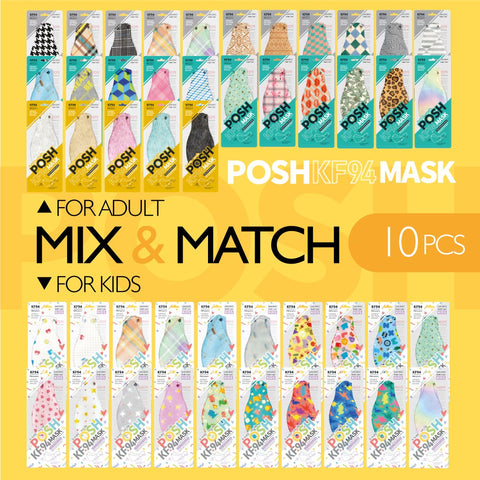
Prepare for the full potential flu-season window, from October through May, with a KF94 mask supply that fits your household or organization's needs. Explore BeHealthy's wholesale and bulk options to plan ahead for family members, shared workplaces, and group orders.
Discover Special Savings on KF94 Mask Bundles
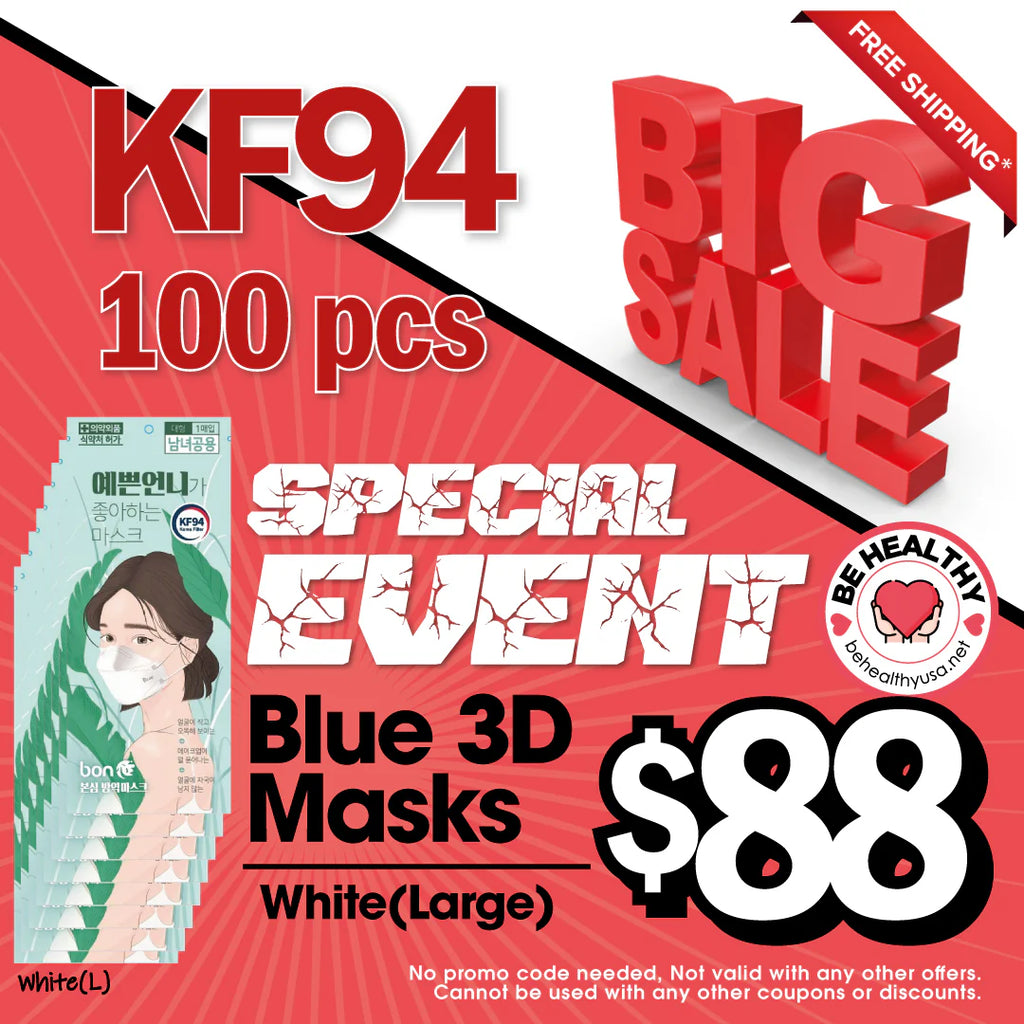
Looking for a convenient way to refresh your family's supply? Browse BeHealthy's Special Sale collection for KF94 mask bundles and choose the options that work for your everyday routine.

