







U.S. Measles Cases Hit a 35-Year High: What You Need to Know

U.S. Measles Cases Hit a 35-Year High: What You Need to Know
Measles is back in the national conversation, and not in a small way. Here is what U.S. families, travelers, students, caregivers, and everyday commuters should know about the latest measles surge, how it spreads, what symptoms to watch for, and how to make smart choices before the next school drop-off, airport line, office meeting, or weekend trip.
Quick Answer: Why Everyone Is Talking About Measles Again
U.S. measles cases have reached the country's highest level in 35 years. According to CDC data, the United States has reported thousands of confirmed measles cases in 2026, already surpassing the full-year total from 2025. Public health experts are watching this closely because measles is one of the most contagious viruses known, and outbreaks can grow quickly when people are unvaccinated, under-vaccinated, or exposed during travel, school, healthcare visits, or crowded indoor settings.
The most important protection against measles remains the MMR vaccine. Still, many Americans are also thinking more carefully about layered respiratory habits, especially during travel season, back-to-school season, and crowded indoor events. That is where preparation matters: knowing your vaccine status, recognizing symptoms early, staying home when sick, calling ahead before visiting a clinic, and keeping quality masks on hand for higher-risk settings can all help families move through a busier, more germ-aware world with a little more confidence.
The Story: A Disease the U.S. Once Eliminated Is Making Headlines Again
For years, measles felt like something most Americans only heard about in a pediatrician's office or a school vaccine form. It was the disease tucked into the "M" in MMR, a familiar acronym that many people recognized without thinking too much about it. Then the numbers started climbing.
The United States declared measles eliminated in 2000, meaning the disease was no longer continuously spreading inside the country. That did not mean measles disappeared everywhere. It meant the U.S. had stopped ongoing domestic transmission, largely because of strong vaccination coverage. But measles has always had a way of testing weak spots. It can arrive through international travel, move through communities with lower vaccine coverage, and spread before people realize they are dealing with something more serious than a cold.
Now, measles cases in the U.S. have reached a 35-year high. The CDC reported 2,777 confirmed measles cases in the United States as of August 20, 2026, compared with 2,289 confirmed cases for all of 2025. Public health reporting has tied this rise to multiple outbreaks across the country, including large outbreaks that stretched through schools, communities, and several states.
That does not mean panic is helpful. It means attention is helpful. Measles is not mysterious. Scientists know how it spreads, doctors know what symptoms look like, and public health agencies know which steps reduce risk. The challenge is that measles moves fast, and Americans are moving fast too: through airports, classrooms, college campuses, office buildings, urgent care waiting rooms, concerts, grocery stores, worship services, and family gatherings.
The good news is that preparation can be practical. You do not need to live in fear of every cough in a checkout line. You do need to know the basics, especially if you have young children, live with someone who is immunocompromised, travel often, work in healthcare, or spend time in crowded indoor spaces.
Why the 35-Year High Matters
Measles is sometimes described as a childhood rash illness, but that undersells it. Measles is a serious respiratory virus that can cause high fever, cough, runny nose, red watery eyes, rash, ear infections, diarrhea, pneumonia, brain swelling, hospitalization, and in rare cases, death. It is especially dangerous for babies and young children, pregnant people without immunity, and people with weakened immune systems.
The phrase "35-year high" matters because it tells us something bigger than a single outbreak. It suggests the country's protective wall is not as strong as it used to be. Measles needs opportunities, and those opportunities appear when enough people are susceptible in the same community. That can happen because of missed vaccines, delayed vaccines, limited healthcare access, misinformation, travel exposure, or simple bad timing.
Measles also has an unusually high bar for community protection. Because it spreads so easily, public health experts often point to very high vaccination coverage as essential for preventing outbreaks. Even a small dip in protection can leave openings, especially in schools, daycares, and close-knit communities where people spend long hours together indoors.
Think of measles like a stress test for public health routines. When vaccination rates are high, exposure often stops with one person. When coverage is patchy, one case can become a school notice, a clinic exposure alert, a local health department investigation, and a chain of phone calls nobody wanted to make.
For U.S. readers, the timing also lands in a familiar rhythm: late summer travel, back-to-school shopping, college move-ins, packed airports, indoor fall activities, and a return to routines that put people close together again. That is why this story is not just about national numbers. It is about everyday decisions: checking vaccination records, paying attention to symptoms, calling a doctor before walking into a waiting room, and keeping respiratory protection available when crowded indoor spaces are unavoidable.
Measles Symptoms: What to Watch For
Measles symptoms usually begin 7 to 14 days after infection. Early signs can look ordinary at first, which is part of what makes measles tricky. Someone may start with a high fever, cough, runny nose, and red or watery eyes before the classic rash appears.
Common measles symptoms include:
- High fever, which can spike significantly
- Cough
- Runny nose
- Red, watery eyes
- Tiny white spots inside the mouth, sometimes called Koplik spots
- A rash that usually starts on the face and spreads downward
The rash is the symptom many people picture, but by the time it appears, measles may already have had days to spread. That is why possible exposure matters. If you think you or your child may have been exposed to measles, the CDC recommends calling your doctor or local health department right away. Calling ahead matters because healthcare offices need to protect other patients, including newborns, cancer patients, pregnant people, and people with immune conditions.
Measles can also lead to complications. Some are common, like ear infections and diarrhea. Others are more serious, such as pneumonia or encephalitis, which is swelling of the brain. The CDC notes that even previously healthy children can become sick enough from measles to need hospitalization.
How Measles Spreads So Easily
Measles spreads through the air when an infected person breathes, coughs, or sneezes. The virus can linger in the air for up to two hours after an infected person leaves a room. That detail is one reason measles outbreaks can be so frustrating. You do not necessarily need direct face-to-face contact with someone who is visibly sick.
In practical terms, measles can spread in places like:
- Schools and daycares
- Airports, planes, buses, and trains
- Doctor's offices and urgent care waiting rooms
- College dorms and shared housing
- Gyms, offices, retail stores, and indoor events
- Places of worship and community gatherings
Measles is contagious before the rash appears, which means a person may not know they have it during part of the time they can spread it. That is why public health teams move quickly when a measles case is confirmed. They identify who may have been exposed, check immunity status, recommend quarantine when needed, and help stop the chain of transmission.
This is also why a single case can produce a long list of exposure locations. If someone was contagious while traveling, shopping, attending school, or visiting a clinic, many people may need to be notified. It is not because every exposure will become a case. It is because measles is efficient enough that health departments cannot afford to shrug.
The Best Protection Is Still MMR Vaccination
The most important thing to know is simple: the MMR vaccine is the strongest protection against measles. According to the CDC, one dose of MMR vaccine provides about 93% protection against measles, and two doses provide about 97% protection.
For children, the CDC recommends two doses of MMR vaccine: the first dose at 12 through 15 months of age and the second dose at 4 through 6 years of age. For international travel, the guidance can be different. Infants 6 through 11 months old should get one dose before international travel, followed by the standard two-dose series after their first birthday. Anyone traveling internationally should make sure they are protected before departure.
Adults may also need to check their records. Some adults have immunity from vaccination, previous infection, or birth before 1957, but the details can vary depending on age, risk factors, work, school, travel, and medical history. Healthcare workers, international travelers, college students, and people in outbreak areas may have specific recommendations. If you are unsure, a doctor, pharmacist, clinic, or local health department can help you sort out what applies to you.
Back-to-school tip: Do not wait until the first exposure notice lands in your inbox. Late summer and early fall are smart times to check vaccine records, restock household health essentials, and talk with your pediatrician if anything is missing or unclear.
Where KF94 Masks Fit Into a Smart Preparedness Routine
Let's be clear: masks are not a replacement for the MMR vaccine. For measles, vaccination is the foundation. But many Americans are thinking more broadly about respiratory protection again, especially in crowded indoor places where people may be coughing, traveling, or waiting for care.
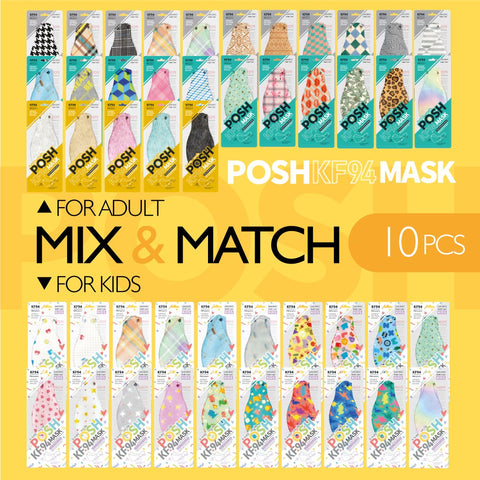
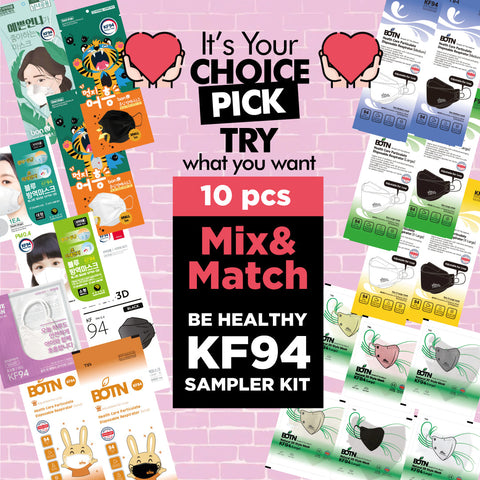
KF94 masks are designed to help filter airborne particles and fit closely to the face when worn properly. They can be useful to keep in your bag, car, office drawer, travel pouch, school supply bin, or family health kit for moments when you want an extra layer of protection in shared indoor spaces. Think airports, public transportation, pharmacy lines, medical waiting rooms, packed school events, and seasonal travel.
A good mask habit is also practical for more than one headline. Cold and flu season, respiratory viruses, wildfire smoke days, crowded holiday travel, and medical appointments can all make a quality mask worth having nearby. The best mask is the one you can wear correctly and comfortably when you need it.
For the best fit, choose a mask that covers your nose and mouth, sits snugly along the sides of your face, and feels comfortable enough that you will actually keep it on in the setting you bought it for. A mask tossed in a drawer is just packaging. A mask that fits your routine is preparation.
Stock Up for Back-to-School, Travel, and Busy Indoor Seasons
With U.S. measles cases at a 35-year high and respiratory health back on everyone's radar, now is a good time to refresh the everyday essentials you reach for when life gets crowded. Use promo code BTS2026 for 20% off all KF94 masks at Be Healthy USA.
What Parents Should Know Before the School Year Gets Busy
Schools are one of the places where measles can move quickly because students share classrooms, cafeterias, buses, gyms, restrooms, and after-school activities. A child with early symptoms may look like they have a routine cold at first. By the time a rash appears, exposure may already have happened.
Parents can make the season easier by doing a few things before the calendar gets chaotic:
- Check your child's MMR vaccine record.
- Ask your pediatrician what to do if your child is too young for routine vaccination or has a medical reason they cannot receive MMR.
- Review your school's illness policy and exposure-notification process.
- Keep your child home when they have fever, rash, or symptoms that could be contagious.
- Call ahead before visiting a clinic if measles exposure is possible.
- Keep a few well-fitting masks on hand for travel, waiting rooms, and crowded indoor activities.
None of this requires turning family life into a health inspection. It is just the kind of boringly useful preparation that saves time later. The best moment to find a missing vaccine record is before the school nurse, pediatrician, and local health department all become part of your week.
What Travelers Should Know
Travel is one of the biggest reasons measles remains a U.S. concern. The CDC warns that measles outbreaks are happening in every region of the world, and anyone who is not protected can get measles abroad and bring it home. That matters for international vacations, family visits, study abroad, mission trips, business travel, cruises, and even quick trips with long airport layovers.
Before international travel, check your MMR status early. Do not leave it until the night before your flight. Families traveling with babies should pay special attention because infants younger than 12 months are not usually old enough for the routine first dose, but infants 6 through 11 months old may be recommended to receive one MMR dose before international travel.
Travelers should also pay attention after returning home. If you develop fever, cough, runny nose, red eyes, or rash after a possible exposure, call a healthcare provider and mention your travel history before going in. That one phone call can help protect other patients and give the clinic time to guide you properly.
What to Do If You Think You Were Exposed to Measles
If you believe you or someone in your household may have been exposed to measles, act quickly but calmly. The CDC recommends contacting your doctor or local health department right away. They can help determine whether you are immune, whether you need monitoring, and what steps are appropriate based on your age, vaccine history, health status, and timing of exposure.
Do not walk into a medical office, urgent care, or emergency department without calling first unless it is a true emergency. Measles can spread in healthcare settings, and clinics may ask you to use a separate entrance, wait outside, mask, or follow specific instructions to reduce exposure risk for others.
If symptoms appear, stay home and avoid public settings unless a healthcare professional gives you different instructions. This is especially important around babies, pregnant people without immunity, and people with weakened immune systems.
Why This Moment Feels Different
Part of what makes the 2026 measles surge feel so jarring is that many Americans grew up after measles became rare in the U.S. For a long time, the vaccine did its job so well that the disease faded from daily life. That success made measles feel distant. But infectious diseases have a way of returning when attention drifts, travel increases, and immunity gaps widen.
The result is a strange kind of public health whiplash. A disease many people thought of as "old-fashioned" is suddenly modern again, showing up in news alerts, school emails, local health department updates, and family group chats. It is understandable to feel uneasy. It is also useful to remember that the playbook is not new.
Know your vaccine status. Watch for symptoms. Call ahead after possible exposure. Stay home when sick. Use well-fitting masks when respiratory protection makes sense. Keep health essentials ready before the season gets busy. That is not panic. That is grown-up preparedness with a shopping list.
FAQ: U.S. Measles Cases, Symptoms, Vaccines, and Masks
Why are U.S. measles cases rising?
Measles cases can rise when the virus is brought into the country through travel and then spreads among people who are unvaccinated or not fully protected. Outbreaks are more likely when communities have lower MMR vaccination coverage.
Is measles really that contagious?
Yes. Measles is one of the most contagious infectious diseases. The virus spreads through the air and can remain in an airspace for up to two hours after an infected person leaves.
What are the first symptoms of measles?
Early symptoms often include high fever, cough, runny nose, and red or watery eyes. A rash usually appears later and often begins on the face before spreading downward.
How effective is the MMR vaccine?
According to the CDC, one dose of MMR vaccine provides about 93% protection against measles, and two doses provide about 97% protection.
Should adults check their measles vaccine status?
Many adults are already protected, but some may need to check their records, especially if they travel internationally, work in healthcare, attend college, live in an outbreak area, or are unsure about past vaccination. A healthcare provider or local health department can help clarify what applies.
Can masks prevent measles?
The MMR vaccine is the best protection against measles. Well-fitting masks can be part of a broader respiratory protection routine in crowded indoor spaces, healthcare settings, public transportation, and travel situations, but they are not a substitute for vaccination.
When should I call a doctor?
Call a doctor or local health department right away if you think you or your child may have been exposed to measles. Call before going into a clinic so the office can reduce the risk of exposing other patients.
What should I buy for a family health kit?
A practical household kit can include a thermometer, fever-reducing medicine recommended by your healthcare provider, hand sanitizer, tissues, disinfecting wipes, electrolyte drinks, and well-fitting masks for crowded indoor settings, travel, and medical waiting rooms.
Final Takeaway: Prepared Beats Surprised
U.S. measles cases hitting a 35-year high is a reminder that prevention still matters. The headline may be big, but the everyday response can be simple: check MMR vaccine records, pay attention to symptoms, call ahead after possible exposure, and keep reliable respiratory essentials ready for travel, school, work, and busy indoor seasons.
Use promo code BTS2026 for 20% off all KF94 masks, and browse Be Healthy USA's current deals and bundle specials while supplies last.
Sources
Public health and case-count information in this article was based on current reporting and guidance from the CDC, AAP, and CIDRAP.

