










HANTAVIRUS PART 2 : Airborne Transmission Myths, Exposure Risk, & How It Really Spreads

HANTAVIRUS: Airborne Transmission Myths, Exposure Risk, How It Really Spreads, & Why Most People Shouldn’t Panic
Understanding the real facts about hantavirus, how it spreads, why the average public risk remains low, and why masking still matters for everyday respiratory protection.
Whenever hantavirus appears in the news cycle, public concern rises almost immediately. Headlines mentioning a rare virus associated with rodents, severe respiratory illness, and airborne particles naturally sound alarming, especially in a world that has become far more aware of infectious disease transmission over the past several years.
Search traffic for phrases like “Is hantavirus airborne?”, “Can hantavirus spread through the air?”, “How dangerous is hantavirus?”, and “Should I wear a mask for hantavirus?” tends to surge whenever a new case is reported. Social media often intensifies those fears, with posts and videos sometimes implying that hantavirus could become the next rapidly spreading airborne public-health emergency.
But the reality is much more nuanced than many headlines suggest.
Hantavirus is absolutely a real disease, and severe infections can be dangerous. However, it is also extremely rare, heavily linked to specific environmental exposure conditions, and fundamentally different from highly contagious respiratory viruses such as COVID-19, influenza, or measles.
Understanding the actual science behind hantavirus transmission is essential because much of the public fear surrounding the virus comes from misunderstanding how it spreads, what “airborne” truly means in this context, and who is genuinely at risk.
What Is Hantavirus?
Hantavirus Pulmonary Syndrome, commonly referred to as HPS, is a rare but potentially severe respiratory disease caused by hantaviruses carried mainly by rodents. Different hantavirus strains exist throughout the world, but in the United States, the virus is most commonly associated with deer mice and several related rodent species.
Humans can become infected after exposure to contaminated rodent droppings, urine, saliva, or nesting materials.
The virus first gained major national attention during the 1993 Four Corners outbreak in the Southwestern United States, where several unexplained fatal respiratory illnesses were eventually traced back to hantavirus exposure connected to rodent-infested environments.
Since that outbreak, public-health agencies have continued monitoring cases carefully. Despite periodic news coverage, hantavirus infections remain very uncommon compared to everyday respiratory illnesses that circulate widely each year.
That distinction is important because the severity of hantavirus often overshadows the reality that exposure opportunities for the average person are relatively limited.
Why Hantavirus Creates So Much Fear
One reason hantavirus receives intense public attention is because severe cases can progress rapidly and become life-threatening. Early symptoms often resemble many common viral illnesses, making the disease initially difficult to distinguish.
Symptoms may begin with fever, fatigue, chills, headaches, muscle aches, nausea, and abdominal discomfort.
As the illness progresses, some patients develop serious respiratory symptoms, including severe shortness of breath and fluid buildup in the lungs. This severe respiratory phase is what makes Hantavirus Pulmonary Syndrome particularly concerning from a medical standpoint.
When people hear that a disease affecting the lungs can carry a high mortality rate in severe cases, fear naturally follows. However, severity alone does not determine overall public risk. The way a disease spreads matters just as much — and this is where hantavirus differs dramatically from common contagious respiratory viruses.
The Biggest Misunderstanding: “Airborne” Does Not Mean What Many People Think
Perhaps the single biggest source of confusion surrounding hantavirus is the word “airborne.”
When people hear that hantavirus can become airborne, many immediately imagine contagious public spread, crowded-room exposure, airborne outbreaks, person-to-person transmission, or infection from simply sharing indoor air with strangers.
That is not how hantavirus typically spreads in the United States.
In the context of hantavirus, “airborne” usually refers to temporary aerosolization of contaminated rodent particles inside specific environments. If infected rodent urine or droppings dry out and become disturbed, tiny contaminated particles may enter the air briefly.
This can occur during activities such as sweeping mouse droppings, vacuuming contaminated areas, cleaning old sheds, entering abandoned cabins, disturbing rodent nests, opening dusty storage buildings, or handling heavily contaminated materials.
If those particles are inhaled, infection may become possible.
But this type of airborne exposure is very different from viruses that spread efficiently through human respiratory droplets and aerosols during normal social interaction.
Does Hantavirus Spread From Person to Person?
For the hantavirus strains commonly found in the United States, human-to-human transmission is considered extremely rare or essentially nonexistent.
That means casual interaction is not considered a meaningful risk, walking past someone in public is not considered dangerous, and restaurants, schools, airports, and shopping centers are not typical hantavirus transmission settings.
This is one of the most important facts that often gets lost in online discussions.
Unlike influenza, RSV, or COVID-19, hantavirus is not currently circulating widely through normal human respiratory transmission in the United States. Most infections are associated with environmental rodent exposure rather than contagious community spread.
This is precisely why public-health agencies are not treating hantavirus as an ongoing widespread airborne outbreak threat.
Who Is Actually at Higher Risk?
Although general public risk remains low, certain situations can increase exposure risk significantly.
Higher-risk scenarios typically involve enclosed spaces where rodent contamination has accumulated over time. Examples include cleaning rodent-infested garages, opening long-unused cabins, disturbing nesting materials inside sheds, cleaning barns, working in crawl spaces, or entering poorly ventilated storage areas with visible signs of rodent activity.
Occupational exposure can also increase risk for individuals working in pest control, farming, construction, wildlife management, rural maintenance, sanitation, or abandoned property cleanup.
Campers and outdoor workers may also face elevated exposure risk in certain environments where rodents are highly active.
However, even in these situations, infection still requires fairly specific environmental exposure conditions. This is not a virus casually spreading through daily public life.
Why Most People Do Not Need to Panic
Modern internet culture tends to amplify worst-case scenarios extremely quickly. Whenever a rare disease appears in headlines, people often assume the possibility of a rapidly escalating public-health crisis.
Current evidence does not support that type of concern regarding hantavirus.
The average person going to work, attending school, commuting, traveling, shopping, or interacting socially is not encountering meaningful hantavirus exposure conditions in ordinary daily life.
That does not mean hantavirus should be ignored entirely. It means concern should remain grounded in actual risk rather than fear-driven speculation.
Being informed is useful. Understanding proper cleanup precautions is useful. Learning about rodent prevention is useful. Panic, however, is not warranted based on the current evidence surrounding hantavirus transmission patterns in the United States.
The Real Public-Health Takeaway: Environmental Exposure Matters
One of the most valuable lessons from hantavirus discussions is the growing importance of environmental and indoor air-quality awareness.
Many people underestimate how much indoor environmental conditions can influence respiratory health. Dust, mold, smoke, pollutants, allergens, and contaminated particles can all affect the air people breathe daily.
Hantavirus serves as an example of how specific environmental exposures — rather than casual human interaction — can sometimes create respiratory health risks.
This is why public-health experts strongly emphasize rodent prevention, proper sanitation, safe cleanup methods, ventilation, and reducing aerosolized dust exposure.
Experts generally recommend avoiding dry sweeping or vacuuming rodent droppings because those actions can disturb contaminated particles into the air. Instead, contaminated areas are usually advised to be ventilated first and disinfected carefully before cleaning begins.
Why Masking Still Makes Sense — Even Beyond Hantavirus
One of the most important broader conversations connected to hantavirus is the role of respiratory protection in everyday environmental health.
Even though hantavirus itself remains rare, masks continue serving important practical purposes in many situations involving airborne particles and poor air quality.
Today, people commonly use masks during wildfire smoke events, allergy season, dusty cleaning projects, construction exposure, high-pollution days, travel, crowded indoor environments, and seasonal illness surges.
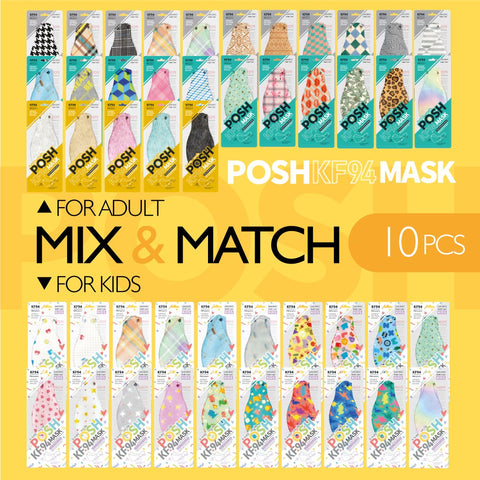
High-filtration masks such as KF94 masks have become especially popular because they combine strong filtration performance with comfort and breathability for longer wear.
Unlike many rigid industrial respirators, structured KF94-style masks are often preferred for lightweight comfort, reduced facial pressure, better airflow, long-duration wearability, and everyday convenience.
This shift reflects a broader cultural change in how people view masks. For many consumers, masks are no longer associated only with pandemics. They are increasingly seen as practical air-quality tools useful for smoke, dust, pollution, allergens, and other environmental irritants.
Air Quality Awareness Is Growing Worldwide
Another reason hantavirus discussions resonate so strongly today is because public awareness of air quality has increased dramatically in recent years.
People are paying more attention than ever to PM2.5 particles, wildfire smoke, indoor ventilation, urban pollution, allergens, construction dust, and respiratory wellness.
Many of these airborne irritants are invisible, yet they still affect daily respiratory health. Hantavirus conversations fit into this broader trend because they remind people that invisible environmental particles can matter under certain conditions.
The lesson is not that everyone should live in fear of airborne threats. The lesson is that understanding environmental exposure and taking reasonable precautions is part of maintaining overall respiratory wellness.
The Bottom Line
Hantavirus is a real disease, and severe infections can absolutely be dangerous. However, it is also rare, highly situational, and frequently misunderstood online.
It does not spread casually through public spaces like highly contagious respiratory viruses. Most infections are linked to specific rodent-contaminated environments where contaminated particles become disturbed into the air.
For the average person, the current risk remains very low.
At the same time, hantavirus highlights the broader importance of indoor air quality, environmental hygiene, and respiratory awareness. Whether dealing with rodent cleanup, smoke exposure, pollution, allergens, or dusty environments, taking practical precautions — including the use of comfortable high-filtration masks when appropriate — remains a smart and reasonable approach.
The best response to hantavirus is not panic. It is informed awareness, balanced perspective, and practical everyday prevention.

