










Hantavirus (Andes Virus) - Part 3: Current Updates & CDC Response!

Hantavirus PART 3: Current Updates, Cruise Ship Investigation & CDC Response
3 Weeks After MV Hondius: What’s Actually Happening Right Now?
Three weeks after the MV Hondius investigation first triggered international concern, public discussion surrounding hantavirus continues growing across news outlets, travel communities, and social media platforms.
But alongside that attention comes a wave of confusion.
Many people are now asking:
- Are symptoms still being reported 3 weeks after the MV Hondius investigation?
- Is hantavirus actually spreading right now?
- Why did the CDC become involved?
- What exactly happened aboard the cruise ship?
- Should ordinary people be worried?
- And is this becoming another widespread global outbreak?
The short answer is:
No — health authorities are not currently describing hantavirus as a widespread public outbreak affecting everyday life for most people.
But the situation is being monitored carefully.
And understanding the difference between “serious” and “widely spreading through the public” is extremely important.
Because while hantavirus can absolutely be dangerous in certain cases, context still matters.
A lot.
Why the MV Hondius Investigation Became International News
The recent spike in hantavirus attention largely began after reports connected to the expedition cruise vessel MV Hondius, which traveled through parts of South America where the Andes strain of hantavirus exists.
As investigations unfolded, reports included:
- multiple suspected and confirmed infections
- several reported deaths
- contact tracing efforts
- international monitoring
- CDC and WHO involvement
- health alerts involving travelers and close contacts
That combination naturally triggered major media attention worldwide.
Cruise ships already create heightened public sensitivity because people associate them with:
- confined indoor environments
- prolonged shared exposure
- international travel
- rapid disease monitoring
- close-contact passenger conditions
Once the phrase “human-to-human hantavirus transmission” began appearing in headlines, public concern escalated rapidly online.
But the details matter.
Because this situation involved very specific conditions — not widespread uncontrolled public transmission.
Why the Andes Strain Gets More Attention Than Other Hantavirus Strains
Most hantavirus infections worldwide are still primarily connected to rodent exposure.
People usually become infected after inhaling airborne particles contaminated by:
- rodent urine
- droppings
- saliva
- nesting materials
That remains the primary risk factor.
However, the Andes strain — found in parts of South America — receives additional attention because rare limited person-to-person transmission has been documented in certain close-contact situations.
That detail is what made headlines far more alarming.
But it is critical to understand what health authorities are actually saying.
The CDC and international investigators are not saying hantavirus is suddenly spreading freely through the general population like influenza or COVID-19.
Instead, the investigation involved a highly specific scenario including:
- prolonged travel exposure
- confined indoor settings
- close-contact passenger environments
- travel through Andes hantavirus regions
- intensive monitoring afterward
That is extremely different from everyday widespread community spread.
Are Symptoms Still Being Reported 3 Weeks Later?
One reason public concern continues is because people are still searching for updates weeks after the initial investigation began.
Questions surrounding symptom monitoring remain common because hantavirus symptoms may not appear immediately after exposure.
Early symptoms can sometimes resemble general viral illness symptoms, including:
- fever
- fatigue
- muscle aches
- headaches
- chills
- nausea
In more serious cases, respiratory symptoms may later develop.
This delayed progression is one reason monitoring and contact tracing procedures continued after the cruise investigation.
However, ongoing monitoring does not automatically mean uncontrolled spread is occurring.
Public health agencies often continue investigations out of caution — especially involving international travel situations.
At this time, authorities continue emphasizing that widespread public transmission is not occurring.
What the CDC Is Saying Right Now
Current public health messaging has remained relatively calm and measured.
Authorities continue monitoring the situation carefully while emphasizing several key points:
- overall public risk remains low
- widespread transmission is not currently occurring
- rodent exposure remains the primary concern
- investigations are continuing out of caution
- awareness and prevention remain important
That balanced response matters.
Because internet discussions sometimes create the impression that hantavirus is suddenly becoming a major global everyday outbreak threat.
Right now, public health authorities are not describing the situation that way.
Instead, the current focus remains on:
- monitoring
- environmental exposure prevention
- travel investigation
- safer cleanup guidance
- public awareness without panic
So… Should Most People Actually Be Worried?
For most people living normal urban or suburban daily lifestyles, the answer remains:
Probably not.
Hantavirus infections are still relatively uncommon compared to illnesses such as:
- influenza
- RSV
- COVID-19
- seasonal respiratory infections
Most people are unlikely to encounter major exposure risks during ordinary daily routines.
However, awareness still matters — particularly for people exposed to rodent-prone or poorly ventilated environments.
Because the primary hantavirus concern still revolves around environmental exposure.
Where Hantavirus Exposure Risk Remains Highest
The environments most commonly associated with hantavirus exposure include:
- dusty sheds
- garages
- barns
- old cabins
- crawl spaces
- storage buildings
- abandoned structures
- poorly ventilated enclosed areas
The biggest concern involves disturbing contaminated particles into the air during cleaning or maintenance activities.
That includes airborne particles connected to:
- rodent droppings
- urine
- saliva
- nesting debris
This is why public health guidance continues focusing heavily on:
- ventilation
- safer cleanup methods
- rodent prevention
- respiratory protection during higher-risk exposure situations
Many environmental respiratory risks are invisible.
Dust, smoke, allergens, contaminated particles, and airborne irritants often cannot be seen directly — but they can still affect respiratory health significantly.
Why More People Are Turning to KF94 Masks for Everyday Protection
One major takeaway from situations like this is that respiratory protection matters far beyond just one specific virus.
Today, many people prioritize high-quality KF94 masks not because of panic — but because of practical prevention and daily awareness.
A well-designed KF94 mask may help support:
- high filtration efficiency
- lightweight breathability
- easier extended wear
- comfortable all-day usability
- protection against airborne particles
Compared to heavier respirators, many KF94 masks provide a more balanced combination of comfort and protection for everyday use.
They are especially practical during:
- dusty cleanup situations
- travel
- crowded indoor environments
- seasonal illness periods
- wildfire smoke events
- allergy seasons
- rodent-prone cleaning work
For many users, KF94 masks have become one of the most practical solutions for all-day comfort and all-day protection.
Recommended KF94 Bundle Deals
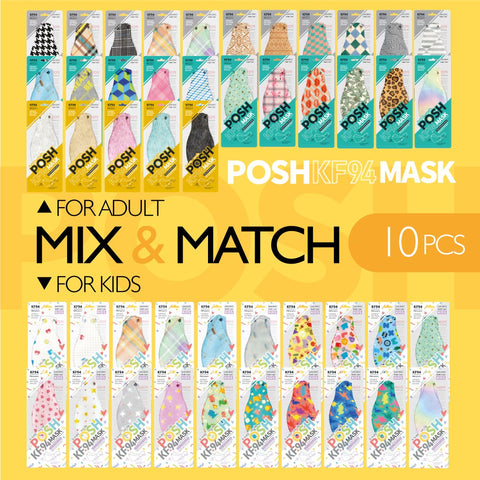
If you are looking for comfortable, high-quality KF94 masks for travel, cleanup work, seasonal illness protection, or daily respiratory awareness, explore the current special bundle deals here:
Be Healthy KF94 Special Sale BundlesMany users continue choosing KF94 masks because they balance:
- filtration
- breathability
- comfort
- extended wearability
- practical daily use
Frequently Asked Questions About Hantavirus
Can hantavirus spread between people?
Most hantavirus strains do not commonly spread person-to-person.
However, the Andes strain has shown rare limited human-to-human transmission under certain close-contact conditions.
Health authorities still describe overall public risk as low.
Is hantavirus airborne?
Hantavirus exposure is primarily associated with inhalation of airborne particles contaminated by rodent waste products such as urine, saliva, or droppings.
This is why ventilation and respiratory protection remain important during cleanup situations.
Is the MV Hondius situation still under investigation?
Public health monitoring and investigation procedures continued after the initial reports because international travel-related investigations often involve extended monitoring and contact tracing.
That does not automatically indicate widespread uncontrolled spread.
Are cruise ships dangerous right now?
Current investigations involving MV Hondius involved highly specific conditions and do not indicate widespread cruise-related outbreaks among the general public.
Authorities continue monitoring the situation carefully.
Should I wear respiratory protection during cleanup work?
Many experts recommend respiratory protection during activities involving:
- rodent-prone environments
- dusty enclosed areas
- contaminated cleanup situations
KF94 masks are often chosen because they provide strong filtration while remaining comfortable enough for extended wear.
Are KF94 masks comfortable enough for daily wear?
Yes. Many users prefer KF94 masks because they combine:
- comfort
- breathability
- filtration
- lightweight structure
- long-term wearability
This makes them practical for commuting, travel, seasonal illness periods, smoke events, and everyday respiratory awareness.
The Bottom Line
Three weeks after the MV Hondius investigation intensified global attention surrounding hantavirus, health authorities continue emphasizing an important message:
The situation deserves awareness — not panic.
Current evidence still indicates that:
- public risk remains relatively low
- widespread community transmission is not occurring
- rodent exposure remains the primary concern
For most people, the healthiest response is not fear-driven reactions fueled by headlines.
It is informed awareness.
Safer cleanup habits, environmental hygiene, practical respiratory protection, and reasonable precautions remain far more effective than panic alone.
Because ultimately, awareness is far more useful than fear.
And good respiratory habits help protect against far more than just hantavirus alone.
Final Protection Starts With Everyday Preparedness
Whether you're preparing for travel, seasonal illness periods, dusty cleanup situations, smoke exposure, or simply looking for more comfortable daily respiratory protection, high-quality KF94 masks continue becoming one of the most practical choices for modern everyday use.
Comfort matters.
Breathability matters.
And protection matters.
Explore current KF94 bundle specials here:
Be Healthy KF94 Bundle Sales
