Over the past several weeks, renewed public attention surrounding Hantavirus has sparked conversations about infectious diseases, environmental exposure, and personal health protection. Like many rare illnesses that suddenly make headlines, Hantavirus has captured public interest because it reminds us of something many people would rather not think about: health risks do not always come from obvious places.
One news story, one reported case, or one social media discussion can quickly drive millions of searches online. People begin asking questions. What is Hantavirus? How does it spread? Should families be concerned? What precautions should be taken?
These are reasonable questions. Yet as public health experts often point out, the biggest lesson from Hantavirus is not necessarily about one virus alone.
Instead, it is an opportunity to think about awareness, preparedness, and the everyday habits that help protect our respiratory health. While Hantavirus remains relatively uncommon in the United States, many Americans regularly encounter environmental exposures such as dust, allergens, poor indoor air quality, seasonal respiratory illnesses, wildfire smoke, crowded public spaces, and airborne particles that can affect well-being.
The conversation surrounding Hantavirus offers a chance to step back and look at the bigger picture.
Because healthier futures are often built through preparation rather than panic.
What Happened? Understanding Hantavirus
Hantavirus refers to a family of viruses primarily carried by certain species of rodents. In the United States, the virus is most commonly associated with deer mice and is typically transmitted when people come into contact with contaminated rodent urine, droppings, or saliva.
Unlike many respiratory illnesses that spread directly from person to person, Hantavirus infections most often occur when contaminated particles become airborne and are inhaled. This can happen during activities such as cleaning enclosed spaces where rodents have been present, including sheds, garages, attics, barns, crawl spaces, or storage areas.
Public health agencies continue to monitor Hantavirus because infections, while uncommon, can become serious. Early Hantavirus symptoms may resemble other illnesses and can include fever, fatigue, muscle aches, headaches, and gastrointestinal discomfort. In severe cases, respiratory complications may develop.
Fortunately, Hantavirus remains relatively rare in the United States. Most Americans will never encounter it directly. Nevertheless, public health officials use Hantavirus as an example of why environmental awareness and proper cleaning practices matter.
When discussions about Hantavirus appear in the news, they often serve as a reminder that respiratory health extends beyond seasonal colds, influenza, and other common illnesses.
The Bigger Picture Beyond One Virus
While Hantavirus may be uncommon, environmental respiratory exposures are not.
Every day, people encounter airborne particles that can affect comfort, respiratory health, and overall well-being. Sometimes these exposures are obvious. Other times, they occur quietly in places we visit regularly.
Consider a homeowner cleaning out a dusty garage after years of storage. A family preparing an attic for renovation. A traveler moving through multiple airports in a single day. A commuter riding public transportation during cold and flu season. Someone living near a region affected by wildfire smoke.
These situations rarely make national headlines.
Yet they often present more common respiratory challenges than Hantavirus itself.
Dust exposure remains one of the most overlooked environmental concerns. Dust can contain dirt, allergens, mold fragments, insulation fibers, construction debris, and other airborne particles. Poor indoor ventilation can further concentrate these particles, particularly in older buildings or enclosed spaces.
Air quality has also become an increasing concern across many parts of the United States. Wildfire seasons have grown more severe in some regions, occasionally causing smoke to travel hundreds or even thousands of miles. Even individuals living far from active fires may experience reduced air quality due to airborne particulate matter.
Travel introduces additional considerations. Airports, airplanes, train stations, buses, convention centers, and large public gatherings place people in close proximity to one another, often in enclosed environments.
When viewed from this broader perspective, Hantavirus becomes part of a larger conversation about respiratory preparedness and public health awareness.
What Public Health Experts Want People to Learn
One of the most important messages public health experts consistently emphasize is that awareness is more valuable than fear.
Fear often causes people to focus on unlikely scenarios while overlooking practical steps that can improve everyday health.
Awareness encourages preparation.
When cleaning areas that may contain rodent activity, experts recommend taking precautions to minimize dust exposure. Proper ventilation can help reduce airborne particles before cleaning begins. Wet-cleaning methods are often preferred over sweeping or vacuuming dry materials, which may increase airborne contamination.
Good hand hygiene continues to be one of the simplest and most effective health protection habits available. Regular handwashing helps reduce the spread of many infectious diseases and remains an important component of overall public health awareness.
Indoor air quality has also received growing attention in recent years. Opening windows when conditions allow, using air filtration systems, maintaining HVAC systems, and monitoring local air quality reports are all practical measures that can contribute to healthier indoor environments.
Experts also encourage personal responsibility during periods of illness. Staying home when sick, protecting vulnerable family members, and practicing considerate hygiene habits help support healthier communities overall.
Preparedness is not about expecting the worst.
It is about making sensible decisions before challenges arise.
Why Respiratory Protection Still Matters
The discussion surrounding Hantavirus highlights another important topic: respiratory protection.
Respiratory protection can play a useful role in a variety of situations beyond infectious disease concerns.
Individuals cleaning attics, garages, sheds, basements, workshops, or storage spaces may encounter elevated levels of dust and airborne particles. Renovation projects frequently generate construction dust that can linger in enclosed environments long after work has stopped.
Travelers often spend extended periods in airports, airplanes, and transportation hubs where ventilation conditions vary. During periods of increased seasonal illness activity, some people choose to wear respiratory protection in crowded indoor spaces.
Air quality events represent another scenario where respiratory protection may become useful. Wildfire smoke, pollution events, and poor air quality days can increase exposure to fine particulate matter.
The goal is not to wear a mask all the time.
Rather, it is to recognize situations where respiratory protection may provide an added layer of comfort and preparedness.
Having options available allows individuals to make informed decisions based on their environment and personal needs.
Understanding Modern High-Filtration Masks
Not all masks are created equally.
During the past several years, consumers have become increasingly aware of the differences between basic face coverings and modern high-filtration masks.
Cloth masks may help reduce the spread of respiratory droplets, but high-filtration masks are specifically designed to improve particle filtration while maintaining breathability and comfort.
One example is the KF94 mask, a high-filtration mask standard originating from South Korea. KF94 masks are designed to filter a high percentage of airborne particles while providing a close facial fit.
Filtration alone, however, is only part of the equation.
Fit plays a significant role in overall effectiveness. Even a highly efficient filter material may perform less effectively if significant air leakage occurs around the edges of the mask.
Comfort is equally important.
A mask that fits properly but feels uncomfortable may be less likely to be worn consistently. This is one reason modern KF94 masks have gained popularity among travelers, commuters, professionals, and families. Many designs combine filtration performance with features intended to improve everyday wearability.
For people seeking respiratory preparedness, the combination of filtration, fit, comfort, and practicality often matters more than any single feature alone.
Building Better Health Habits for the Future
The most meaningful health improvements rarely come from dramatic actions.
Instead, they are usually the result of small habits repeated consistently over time.
Checking local air quality before outdoor activities. Improving ventilation at home. Practicing good hygiene. Staying informed during public health events. Maintaining preparedness supplies. Wearing respiratory protection when appropriate.
Individually, these actions may seem small.
Collectively, they can contribute to healthier lifestyles and more resilient communities.
The Hantavirus discussion reminds us that health protection habits are not just about responding to emergencies. They are about building awareness that helps guide everyday decisions.
Preparedness is not fear.
Preparedness is confidence.
It is knowing that when unexpected situations arise, you have already taken practical steps to protect yourself and your family.
Frequently Asked Questions
What is Hantavirus?
Hantavirus is a family of viruses primarily carried by certain rodents. Human infections most often occur through exposure to contaminated rodent droppings, urine, or saliva.
How does Hantavirus spread?
Most infections occur when contaminated particles become airborne and are inhaled, particularly during cleaning activities in enclosed spaces where rodents have been present.
What are Hantavirus symptoms?
Early symptoms may include fever, fatigue, muscle aches, headaches, and gastrointestinal discomfort. Severe cases can involve respiratory complications.
Can masks help during cleanup activities?
Respiratory protection may help reduce exposure to airborne particles during dusty cleanup projects and other situations involving airborne contaminants.
What is a KF94 mask?
A KF94 mask is a high-filtration respirator-style mask developed under South Korean standards and designed to help filter airborne particles while providing a close fit.
When should you wear a high-filtration mask?
Some people choose high-filtration masks during travel, cleanup projects, periods of poor air quality, crowded indoor events, or other situations involving elevated airborne particle exposure.
Are KF94 masks good for travel?
Many travelers prefer KF94 masks because they combine filtration performance with comfort and breathability during extended wear.
How do KF94 masks compare to cloth masks?
KF94 masks are designed specifically for high filtration and close facial fit, whereas cloth masks typically provide more limited filtration capabilities.
How can I improve indoor air quality?
Improving ventilation, maintaining HVAC systems, using air filtration devices, reducing indoor pollutants, and monitoring air quality conditions can all contribute to healthier indoor environments.
What protective habits should families adopt?
Good hygiene, awareness of air quality, proper cleaning practices, respiratory preparedness, and maintaining healthy indoor environments are all useful habits for families.
Be Prepared for Whatever Comes Next
From travel and seasonal illnesses to dusty cleanup projects and poor air quality days, having reliable respiratory protection on hand is a simple step toward healthier habits.
The lesson from Hantavirus is not that we should fear a single virus.
The bigger lesson is that awareness and preparation help us navigate a wide range of situations—from dusty cleanup projects and seasonal illnesses to crowded airports, poor air quality days, wildfire smoke events, and unexpected public health concerns.
Having high-quality respiratory protection available when you need it is a simple habit that can make a meaningful difference.
Find the KF94 That Fits Your Lifestyle
BOTN KF94: Personalized Comfort for Extended Wear
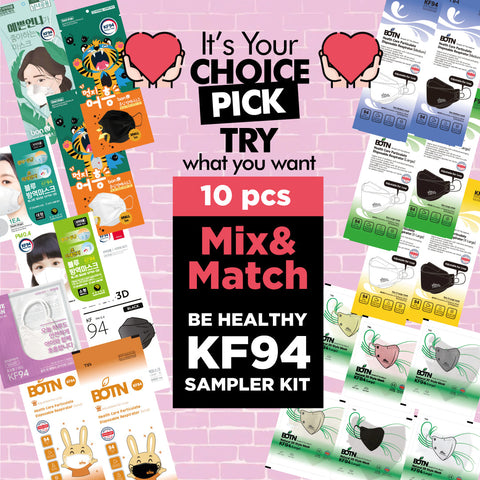
When fit matters most, many people turn to BOTN KF94 masks. Adjustable ear loops allow users to customize the fit to their face shape, helping create a more secure and comfortable seal. The spacious 3D structure keeps the mask away from the mouth and nose, making it a popular choice for long flights, public transportation, and extended indoor activities.
Whether you're traveling, commuting, or spending hours in crowded environments, BOTN's adjustability and comfort help make long-term wear easier.
BLUE KF94: Lightweight Protection for Everyday Life
For those seeking a lightweight and comfortable option, BLUE KF94 masks have become a customer favorite. Their soft materials and breathable design make them well-suited for daily errands, family activities, school environments, and routine preparedness.
Many families appreciate the wide range of sizing options available, making BLUE KF94 masks a practical choice for both adults and children.
POSH KF94: Comfortable Protection with Everyday Style
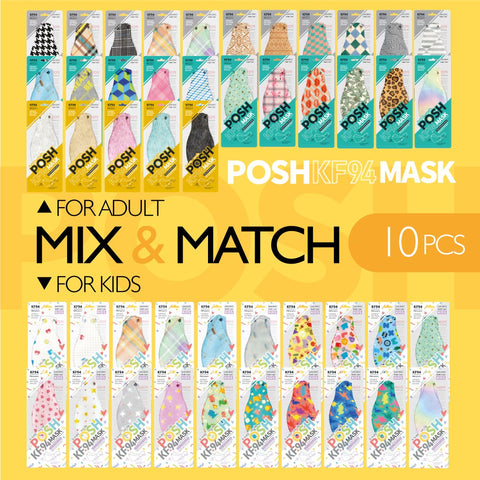
POSH KF94 masks combine comfort and protection with a clean, modern appearance. Soft ear loops and a comfortable fit make them ideal for office settings, commuting, social gatherings, and daily use.
For many users, a mask that feels comfortable and looks good is one they are more likely to keep on hand and wear consistently when situations call for respiratory protection.
Summer Sale: Save Up To 70% OFF
Building a preparedness kit doesn't have to be expensive.
Right now, you can save up to 70% OFF regular prices on a wide selection of Korean-made KF94 masks.
No coupon code needed.
Whether you're looking for adjustable-fit BOTN masks, lightweight BLUE masks, comfortable POSH masks, or simply want to stock up for future travel, seasonal illnesses, dust exposure, or air quality events, now is a great time to prepare.
Shop the Summer Sale
Get Up To 70% OFF KF94 Masks
Awareness. Preparedness. Better Habits. Healthier Futures.
The goal isn't fear.
It's being ready for whatever comes next.