







Don't Wait Until You Need One: Keep Your Home Ready with KF94 Masks

Don’t Wait Until You Need One
Keep Your Home Ready with KF94 Masks
You probably have Band-Aids at home right now.
Maybe Advil. A thermometer. A flashlight. Extra batteries. A first-aid kit tucked away somewhere.
Hopefully, you won’t need any of them today.
And that’s exactly the point.
We don’t keep emergency essentials because we expect something to happen. We keep them because if something does happen, we don’t want to be scrambling to find what we need.
So here’s a question:
Do you have masks at home right now?
Not one forgotten mask at the bottom of a drawer. Not one in your car that has been sitting there forever.
A small, reliable supply of KF94 masks that your household can actually use when needed.
If the answer is no, it may be time to start thinking about masks a little differently.
Not as something you rush to buy during an emergency—but as an everyday preparedness essential you keep at home before you need it.
The Things We Buy Hoping We Won’t Need Them
Think about your medicine cabinet.
You probably didn't wait until you cut your finger to buy Band-Aids.
You didn't wait until a headache started before deciding it might be useful to own pain reliever.
And hopefully, you didn't wait until the lights went out to start looking for a flashlight.
We prepare for small problems because doing so is easy.
Buy it.
Put it away.
Know where it is.
Use it when you need it.
KF94 masks can work the same way.
Most days, that box of masks might simply sit in your cabinet.
That's okay.
Because preparedness isn't about using something every day.
It's about having it on the day you suddenly need it.
Yesterday, the Air Was Fine. Today, It Isn’t.
This is where masks are a little different from many other household essentials.
Sometimes the reason you need one can appear surprisingly quickly.
Take wildfire smoke.
A wildfire doesn't need to be burning anywhere near your home for smoke to affect your community. Depending on weather and atmospheric conditions, wildfire smoke can travel hundreds or even thousands of miles.
We've already seen what that can mean for major U.S. cities.
In July 2026, smoke from Canadian wildfires affected air quality across New York City. Conditions prompted New York City Emergency Management to expand free mask distribution throughout all five boroughs, including at public libraries, firehouses, and police precincts.
For many people, an ordinary summer day suddenly became a day for checking the Air Quality Index (AQI) and thinking about how much time they should spend outside.
You don't always get to choose when you'll need what you need.
When Everyone Needs Something at Once
You've probably seen this happen before.
A major storm is coming?
Suddenly everyone wants batteries and bottled water.
Snow is in the forecast?
The grocery store gets crowded.
A heat wave arrives?
Good luck finding the fan everyone decided they needed that morning.
And when air quality suddenly becomes a concern?
A lot of people start thinking about masks at exactly the same time.
That's not when you want to discover that your household doesn't have any.
Even when masks remain available, you're now comparing products, figuring out sizes, placing an order, and waiting for delivery—all while you already need them.
Or...
You could open the cabinet.
There they are.
That's the difference a little preparation makes.
Why Wildfire Smoke Makes Household Preparedness Important
One of the primary concerns in wildfire smoke is fine particulate matter, including PM2.5.
PM2.5 refers to particles measuring 2.5 micrometers in diameter or smaller. Because these particles are so tiny, public-health agencies recommend taking steps to reduce exposure when wildfire smoke significantly affects local air quality.
That can mean staying indoors when possible, keeping windows and doors closed, improving indoor air filtration, reducing strenuous outdoor activities, monitoring the AQI, and following local public-health recommendations.
Having appropriate masks available can also be part of a broader household preparedness plan.
But there's an important lesson here that goes beyond wildfire smoke:
Air quality isn't something we completely control.
Wildfires are one example. Dust, construction, pollution events, and other unexpected conditions can also change the environment around us.
You can't keep the unexpected from happening.
You can keep useful supplies ready.
Make Masks Part of Your “Just in Case” Cabinet
You don't need to turn your garage into an emergency warehouse.
Preparedness can be surprisingly simple.
Take a look at the supplies many households already keep around:
- Band-Aids and first-aid supplies
- Pain relievers
- Flashlights
- Extra batteries
- Bottled water
- Portable phone chargers
- Basic hygiene products
- Necessary medications
And then add one more:
A reserve supply of masks.
That's it.
They don't need their own emergency bunker.
A clean, dry storage space where you can easily find them is enough, as long as you're following the manufacturer's storage instructions.
The goal isn't to stockpile.
The goal is to avoid starting from zero.
Try the “One Reserve Box” Rule
If you're wondering how to turn this into a habit, here's an easy approach:
Always keep one reserve supply of masks at home.
Use the masks you normally use.
Keep another supply untouched.
When you open the reserve, add masks to your shopping list.
It's the same simple system you might already use with other essentials.
Open your last box of Band-Aids?
Buy another.
Use the spare batteries?
Replace them.
Open your reserve masks?
Time to restock.
No complicated inventory system required.
Don’t Discover Your Size During an Emergency
There's another benefit to buying masks before you urgently need them:
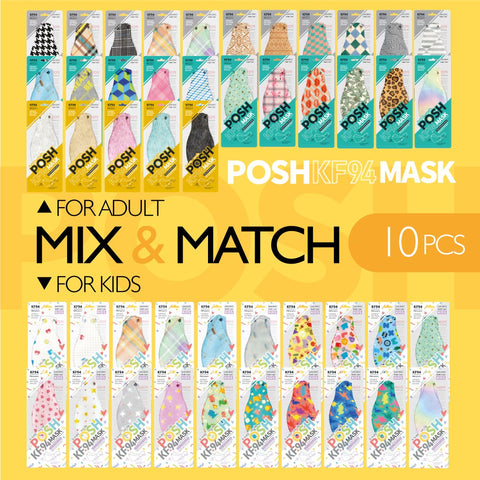
You can figure out what actually fits.
Faces aren't one-size-fits-all.
One mask may fit one person comfortably but feel too loose, too tight, too large, or too small on someone else.
And a family may need several different sizes.
That's something you'd much rather figure out on an ordinary Tuesday than during an air-quality alert.
Preparing ahead gives you time to find masks that work for the people in your household.
You can determine:
- Which size fits each person
- Which style they find comfortable
- Whether children need different sizes
- How many of each size you should keep available
Then, when masks are actually needed, nobody is opening a package for the first time and wondering:
“Wait...does this even fit me?”
You already know.
Don’t Keep Every Mask in the Same Place
Your main reserve can stay at home, but a few strategically placed masks can be surprisingly useful.
For cars and other locations that may experience extreme heat, cold, or humidity, check the manufacturer's recommended storage conditions before leaving masks there for extended periods.
The Five-Minute Mask Check
There's one catch with emergency supplies.
We tend to forget about them.
So every few months, when you're checking your medicine cabinet or emergency kit, give your mask supply a quick check too.
It doesn't need to become a Saturday afternoon project.
Five minutes is plenty.
1. Check the expiration date.
Review any manufacturer-designated expiration dates or shelf-life information.
2. Look at the packaging.
Make sure stored masks remain clean, properly packaged, and undamaged.
3. Count what you actually have.
That "full box" you remember buying may now contain six masks after family members have been borrowing from it for months.
4. Check the sizes.
Children grow. Household needs change. Make sure your stored masks still match the people who may need them.
5. Replenish before you're running low.
Don't wait until the reserve is completely gone.
Check. Rotate. Restock. Done.
So...How Many KF94 Masks Should You Keep at Home?
There's no magic number.
A single-person household doesn't need the same supply as a family of six.
Instead of focusing on a specific number, ask yourself:
How many people would need masks at the same time?
If you're preparing for an air-quality event, potentially everyone.
Could we need them for several days?
Poor air quality doesn't necessarily disappear overnight.
Does everyone wear the same size?
Probably not.
How quickly could we replace our supply?
If you normally order online, remember that processing and shipping take time.
The goal isn't:
“How many masks can I possibly store?”
The better question is:
“Do we have enough that we wouldn't immediately need to go shopping?”
That's a much more practical way to think about preparedness.
A Mask Is One Tool, Not the Whole Plan
Keeping KF94 masks at home doesn't mean ignoring everything else.
If wildfire smoke or another air-quality event affects your community, pay attention to the Air Quality Index (AQI) and follow current recommendations from local authorities and public-health agencies.
Depending on the situation, that may mean limiting time outdoors, keeping windows and doors closed, using appropriate indoor air filtration, reducing strenuous outdoor activities, or taking other precautions.
Your masks are simply one piece of the puzzle.
Think about it like your first-aid kit.
Owning Band-Aids doesn't replace going to a doctor when you need one.
Owning a flashlight doesn't replace an emergency plan.
And keeping masks available doesn't replace following official air-quality guidance.
Preparedness works best when all of those pieces work together.
The Best Time to Prepare? When Nothing Is Happening.
Here's the funny thing about emergency supplies:
They're easiest to buy when you don't need them.
When the sky is clear.
When there isn't an air-quality alert on your phone.
When stores aren't busy.
When you're not rushing.
When you have time to figure out the right sizes.
That's when you buy them.
Then you put them away.
And hopefully, they stay there for a while.
But one day, if the air outside changes or another unexpected situation comes up, you won't need to search online and ask:
“Where can I find masks right now?”
You'll already know the answer.
They're in the cabinet.
Frequently Asked Questions About Keeping KF94 Masks at Home
Why should I keep KF94 masks at home?
Unexpected situations—including wildfire smoke, poor air quality, dusty conditions, travel, crowded environments, and other events—can make having masks available useful. Maintaining a reasonable household reserve means you don't have to start shopping only after the need arises.
Are masks worth adding to an emergency kit?
They can be one component of a broader household preparedness kit. The supplies you need will depend on your household, location, family needs, and the types of situations you're preparing for.
How should I store KF94 masks?
Always follow the manufacturer's instructions. In general, masks should be kept clean, dry, protected from damage, and stored under the conditions recommended by the manufacturer.
Do KF94 masks expire?
KF94 masks can have manufacturer-designated expiration dates or shelf lives. Check the individual packaging or product information and periodically review your stored supply.
Where should I keep my masks?
Keep your main reserve somewhere easy to remember, such as alongside your first-aid or household emergency supplies. Smaller quantities can also be useful in your work bag, travel bag, office, or other convenient locations when appropriate storage conditions can be maintained.
How many KF94 masks should I keep?
There's no universal number. Consider the number of people in your household, the different sizes they require, how frequently masks might be needed, and whether you could potentially need them for several consecutive days.
Should I buy KF94 masks in bulk?
For larger households or people who regularly use masks, buying larger quantities can make restocking easier. Bulk quantities may also make sense for workplaces, schools, businesses, organizations, and community groups that need to maintain a larger reserve.
Don’t Wait Until You Need One
Open your medicine cabinet.
You'll probably find something you bought without knowing exactly when you'd use it.
Band-Aids.
Advil.
A thermometer.
Maybe a first-aid kit.
They're there for one simple reason:
Just in case.
Maybe it's time your masks had a place there too.
You don't need to know when the next wildfire-smoke event, poor-air-quality day, trip, or unexpected situation will happen.
That's the whole point of being prepared.
Buy them when you don't need them.
Store them properly.
Know where they are.
And when the day comes that you actually need one?
Just open the cabinet.
Keep Your Home Ready with KF94 Masks
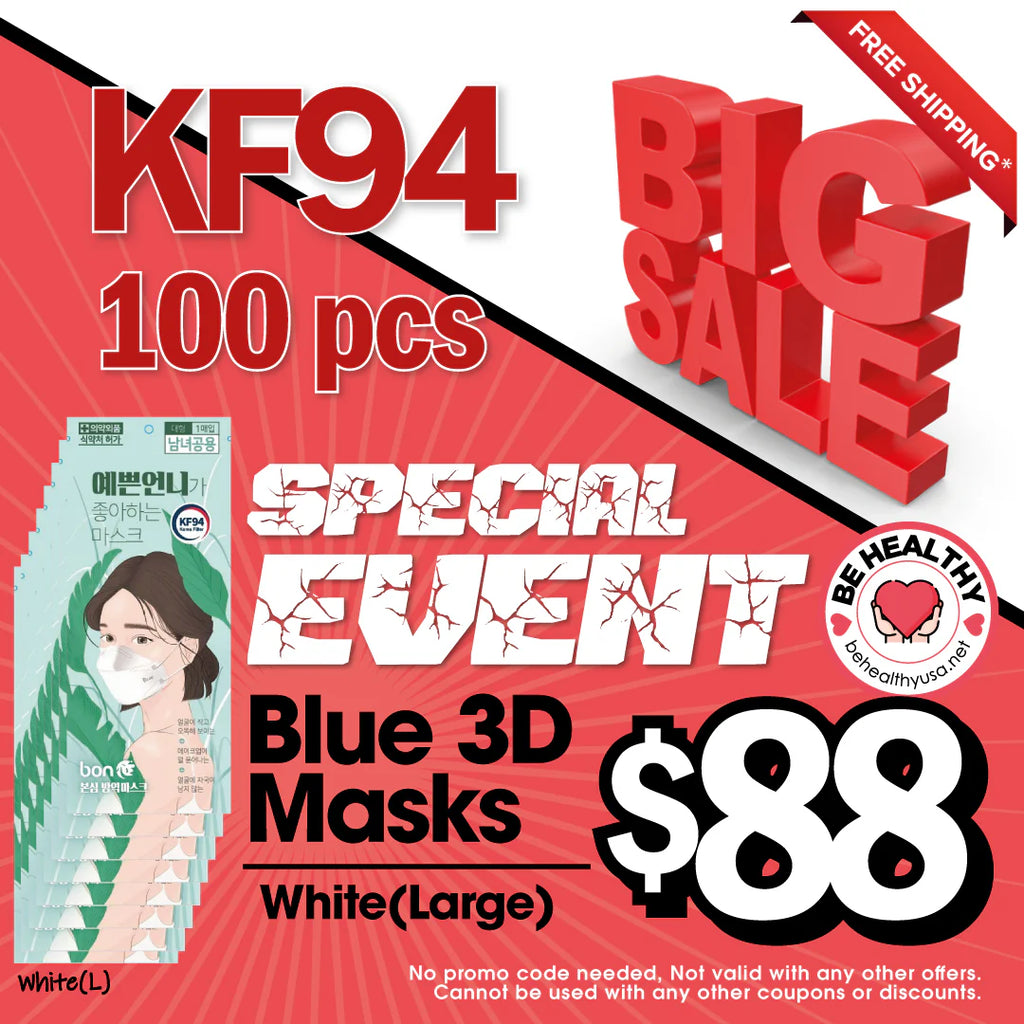
Stock Up While KF94 Masks Are on Sale
Build your household reserve now, while you have the time to choose the masks and sizes that work for you.
Shop KF94 Masks on SaleNeed More Than a Household Supply?
Stocking up for a large family, workplace, school, business, organization, or community group?
Explore our wholesale and bulk-order options for larger quantities at wholesale pricing.
Shop KF94 Wholesale & Bulk OrdersDon’t wait for the day you need them to become the day you start looking for them.
Stock up. Store them. Stay ready.

