The backpacks are packed.
The pencils are sharpened.
Lunchboxes are labeled, new shoes are waiting by the door, and somehow your child already needs another folder even though school hasn’t started yet.
But there’s one back-to-school arrival nobody puts on the supply list:
germs.
Once kids head back into classrooms, cafeterias, buses, sports practices, and after-school activities, they’re suddenly spending hours around dozens—sometimes hundreds—of other people again.
And sooner or later, someone is going to sneeze.
Then someone else starts coughing.
Then, at approximately 6:47 on a Tuesday morning, you hear the words every parent knows:
“I don’t feel good.”
You can’t create a completely germ-free school year. Nor should that be the goal.
But you can prepare before the first sick day arrives.
And a little preparation now can make those inevitable sniffles, coughs, stomach bugs, and unexpected stay-home days much easier to handle.
Why Does Everyone Seem to Get Sick When School Starts?
It isn’t your imagination.
School brings children into close contact with one another for long stretches of time. They share classrooms, desks, books, playground equipment, sports gear, cafeteria tables, and plenty of air.
Viruses that cause illnesses such as colds, influenza, COVID-19 and other respiratory infections can spread through respiratory particles released when people breathe, talk, cough, or sneeze. Some infections can also spread when contaminated hands or objects eventually make their way to the eyes, nose, or mouth.
For younger children, add another factor:
Kids touch everything.
The desk.
The pencil sharpener.
The playground railing.
Their friend's water bottle.
Their own face.
And somehow, probably the floor.
That doesn't mean parents need to panic every September.
It simply means that back-to-school season is a good reminder to refresh a few everyday health habits before everyone gets busy.
1. Start With the Simplest Defense: Handwashing
Before buying anything, start with one of the most effective habits available:
soap and water.
Children should know how to wash their hands properly—not just perform the two-second splash-and-run that somehow qualifies as handwashing in a child's mind.
A good routine is especially important:
- before eating
- after using the bathroom
- after coughing, sneezing, or blowing their nose
- after coming home from school
- whenever hands are visibly dirty
The CDC recommends washing hands with soap and clean running water for at least 20 seconds.
No stopwatch required.
Teaching younger kids to hum a short song or use another familiar 20-second routine can make it easier to remember.
And when soap and water aren't available, an appropriate hand sanitizer can be useful for many situations.
The goal isn't to make kids afraid of germs.
It's simply to turn good hygiene into something automatic.
2. Teach the “Don’t Share Everything” Rule
Sharing is usually a wonderful lesson.
Sharing water bottles?
Not so much.
Remind kids that certain personal items shouldn't make the rounds among friends, including:
water bottles, cups, eating utensils, lip balm, and other items that regularly touch the mouth or face.
This is especially worth reviewing with younger children who may understand “share with your friends” much better than “except for the straw you've had in your mouth for the last 20 minutes.”
A reusable water bottle labeled with your child's name can help prevent accidental swaps.
3. Practice the Cough-and-Sneeze Reflex Before They Need It
You can probably predict what happens when a child feels a sneeze coming.
Sometimes there's a tissue.
Sometimes there's an elbow.
And sometimes there's just…
the entire room.
Teach kids to cough or sneeze into a tissue or into the inside of their elbow instead of their hands.
If they use a tissue, it should go into the trash, followed by handwashing when possible.
It sounds basic, but these little habits matter because respiratory illnesses frequently spread through close contact with other people.
And school is basically one enormous exercise in close contact.
4. Make Sleep Part of Your Back-to-School Health Plan
School-year sleep schedules have a funny way of disappearing during summer.
One week your child is asleep at 9:00 p.m.
By August, they're somehow asking for a snack at 11:43 p.m.
Rather than waiting until the night before school starts, begin moving bedtime and wake-up times toward the school schedule ahead of time.
Adequate sleep matters for much more than morning mood.
Sleep supports children's overall physical health, attention, learning, behavior, and well-being.
It also makes the first school mornings much less painful for everyone involved.
Think of a consistent bedtime as another piece of your back-to-school preparation—right alongside notebooks and lunchboxes.
5. Don't Forget the Basics: Food and Hydration
There isn't a magic food that creates a force field around your child.
A balanced diet won't guarantee they never catch a cold.
But regular meals, adequate hydration, and generally nutritious foods support normal growth and health.
Make school mornings easier by keeping breakfast simple.
Fruit, yogurt, eggs, oatmeal, whole grains, or whatever works realistically in your household is far more useful than creating a complicated “perfect” breakfast nobody has time to eat.
And send kids to school with a water bottle they will actually use.
Sometimes the healthiest routine is simply the one you can keep doing on a busy Wednesday.
6. Check Vaccinations Before the Calendar Gets Crazy
Back-to-school season is also a good time to make sure your child's routine vaccinations are up to date.
Depending on age, health history, and current recommendations, that can include seasonal vaccines such as influenza.
Your pediatrician can tell you which vaccinations are recommended for your child.
It's much easier to check now than to discover a missing requirement the night before paperwork is due.
7. Think About the Air, Too
When we think about germs, we tend to picture hands, door handles, and dirty surfaces.
But respiratory viruses can also spread through the air.
That means cleaner indoor air can be another useful part of reducing respiratory infection risk.
Opening windows when practical, improving ventilation, and using appropriate air filtration can help reduce the concentration of airborne particles indoors.
Parents may not control the ventilation system inside a school building, but you can still think about air quality in places you do control—especially your home.
And if your household is dealing with illness, fresh air and improved ventilation can be another layer of protection for everyone else.
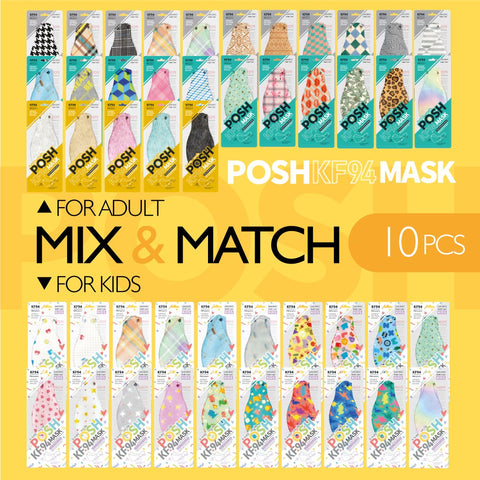
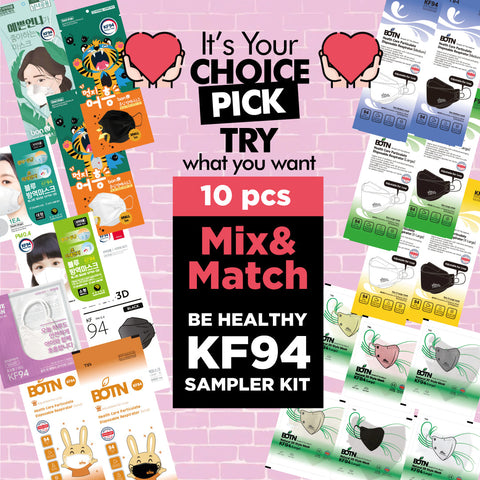
8. Keep Masks Available Before You Suddenly Need One
Remember this scenario?
Someone wakes up coughing.
There's an outbreak going around school.
A family member gets sick.
Wildfire smoke makes the outdoor air unpleasant.
You're headed into a crowded indoor space during respiratory virus season.
And suddenly you're searching drawers trying to remember where you put the masks.
That's why masks are useful to keep alongside other household basics rather than something you only think about after a problem begins.
A well-fitting mask can add another layer of protection in situations where respiratory illness is spreading or exposure risk is higher.
The CDC recognizes masks as one of the additional prevention strategies people can use to reduce the spread of respiratory viruses.
For families who choose to use masks, fit matters.
Children need a mask that actually fits their face—not simply a smaller-looking version of an adult mask that leaves large gaps around the sides.
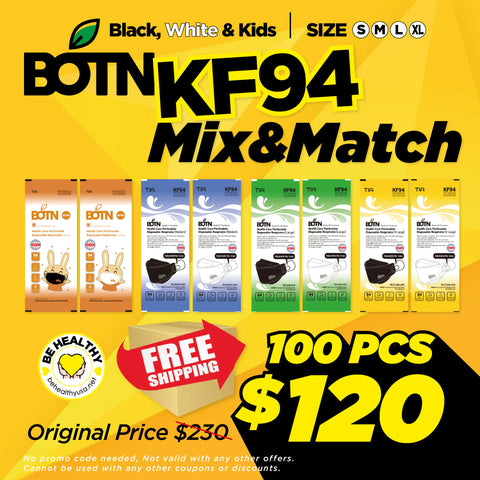
This is one reason families may want to test sizing before they urgently need masks.
Don't wait until the morning someone wakes up sick to discover that the masks in your cabinet don't fit.
9. Create a Small “Sick Day Station” at Home
You don't need to turn your bathroom into a pharmacy.
But there are a few things that are frustrating to discover you don't have when a child wakes up sick.
Consider checking your household supplies before school begins.
That might include:
- a working thermometer
- tissues
- soap and hand sanitizer
- masks that fit
- basic first-aid supplies
- clean water bottles
- any medicines your family normally keeps at home and uses according to their labels or your health care provider's instructions
Also check expiration dates.
A thermometer with a dead battery is remarkably unhelpful at 2:00 a.m.
So is discovering that the only box of tissues in the house contains exactly three tissues.
Preparing these basics isn't expecting your child to get sick.
It's simply making life easier if they do.
10. Have a Sick-Day Plan Before You Need a Sick Day
This is the part parents often forget.
If your child can't go to school tomorrow, what happens?
Who stays home?
Can a grandparent help?
Does your employer allow remote work?
Who can pick your child up if the school calls at noon?
Is the school's emergency contact information current?
Where is the pediatrician's number?
These questions are much easier to answer when nobody currently has a fever.
Take ten minutes before school starts and make sure everyone who may need to know the plan actually knows it.
That includes updating the school's contact information if anything has changed.
11. Know When Your Child Should Stay Home
Nobody wants their child to miss school unnecessarily.
But sometimes staying home is exactly what they need.
The American Academy of Pediatrics advises that, as a general guideline, children should stay home when they have a fever above 101°F within the previous 24 hours, vomiting or diarrhea within the previous 24 hours, or when they simply aren't well enough to participate in class. Local school policies can differ, so parents should also follow their school's attendance and illness rules.
A minor runny nose by itself does not automatically mean a child needs to miss school if they otherwise feel well enough to participate, although school policies and the child's overall condition still matter.
If you're unsure whether symptoms require medical attention or whether your child should return to school, contact your pediatrician.
12. Have a “Coming Home” Routine
Kids don't need to walk through a decontamination chamber when they return from school.
A simple routine is enough.
Backpack down.
Shoes away.
Wash hands.
Water bottle to the kitchen.
Then snack.
The important part is consistency.
When washing hands immediately after coming home becomes automatic, parents don't have to announce:
“WASH YOUR HANDS!”
from three rooms away every afternoon.
Well…
maybe not every afternoon.
What If the First Sick Day Still Happens?
It probably will.
Even families with excellent hygiene habits can't prevent every illness.
Kids live in the world.
They go to school.
They play sports.
They hug friends.
They touch things.
They breathe the same air as everyone else.
Getting sick occasionally isn't proof that your back-to-school routine failed.
The goal was never to eliminate every germ.
The goal is to reduce avoidable exposure where practical, recognize illness when it happens, and make the inevitable sick day a little less chaotic.
If your child does get sick, focus on rest, fluids, monitoring symptoms, and following guidance from your pediatrician when necessary.
And don't rush them back just because there's a spelling test.
The Back-to-School Health Checklist Parents Actually Need
Before the first bell rings, check a few simple things:
Are everyone's hands-washing habits back on track?
Does your child know how to cover a cough or sneeze?
Is their water bottle labeled?
Is bedtime moving back toward a school-night schedule?
Are routine health appointments and vaccinations up to date?
Do you have a working thermometer and basic sick-day supplies?
Do the masks you keep at home actually fit your child?
Does the school have your current contact information?
Do you know what you'll do if the nurse calls in the middle of the day?
If the answer is yes to most of those, you're already more prepared than you may think.
You Don't Need a Germ-Free School Year—Just a More Prepared One
Back-to-school season comes with plenty of things parents can't control.
You can't control who sneezes next to your child.
You can't personally disinfect every cafeteria table.
And you definitely can't stop a first grader from touching something mysterious on the playground.
What you can do is build a few simple habits before school gets hectic.
Wash hands.
Cover coughs.
Get enough sleep.
Stay hydrated.
Keep useful health supplies at home.
Know when staying home is the better choice.
And prepare for the first sick day before you're standing in the kitchen at 6:47 a.m. trying to find the thermometer.
Because when school germs arrive—and eventually, some probably will—a prepared home is a much calmer place to deal with them.
Get Back-to-School Ready with Be Healthy USA
Back-to-school preparation isn't only notebooks, backpacks, and pencils.
It's also making sure your household has the everyday health essentials you may need once school is back in session.
Get 20% OFF with Promo Code BTS20206
Stock up for the new school year and save 20% OFF with promo code BTS20206.
Shop Be Healthy USA
Looking for More Special Deals?
Check out current specials, bundles, and sale items available from Be Healthy USA.
Shop Special Sales